Inheritance
Stephen Daldry directs a heart-wrenching and often hilarious two-part drama about being gay in New York
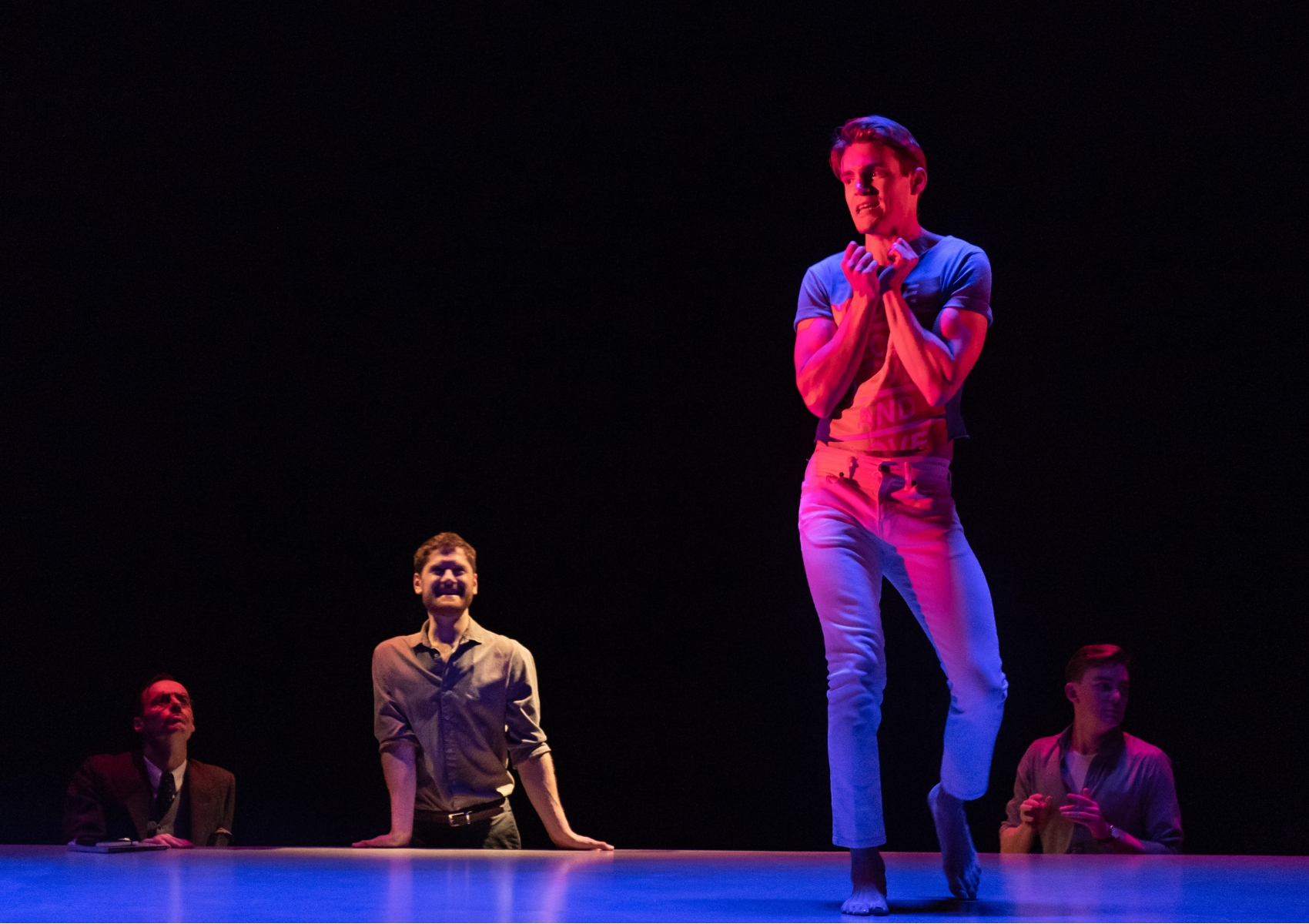
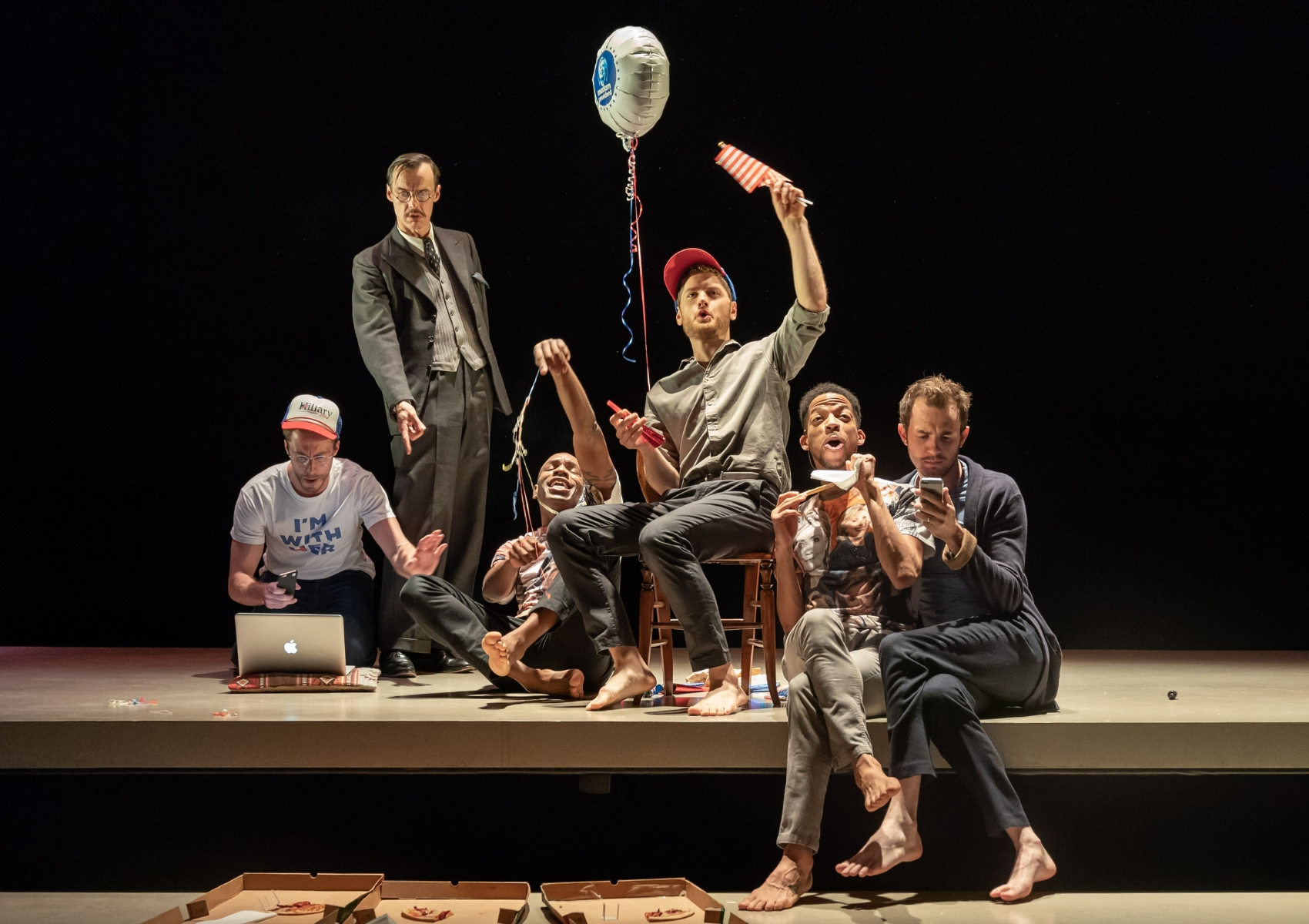
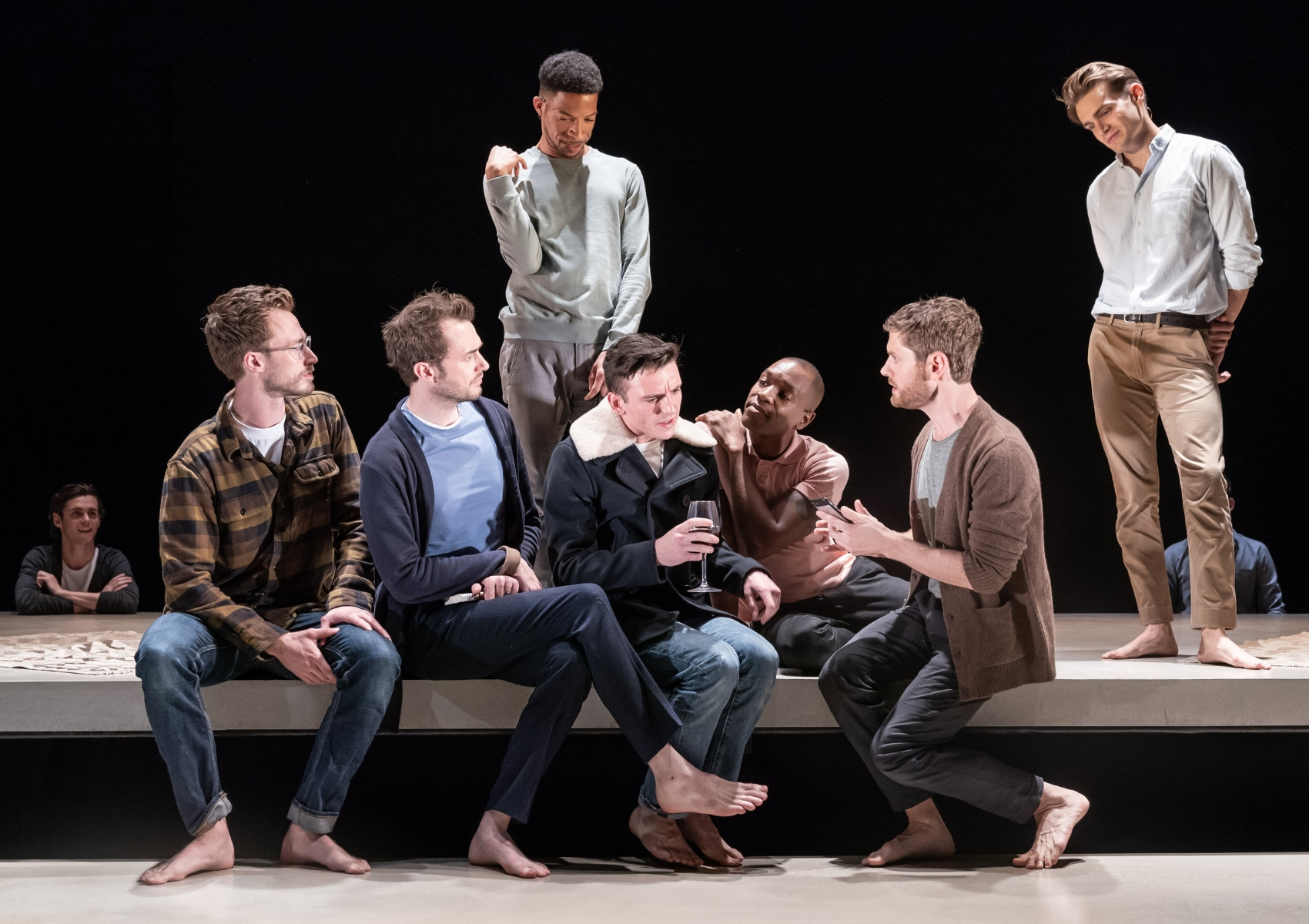
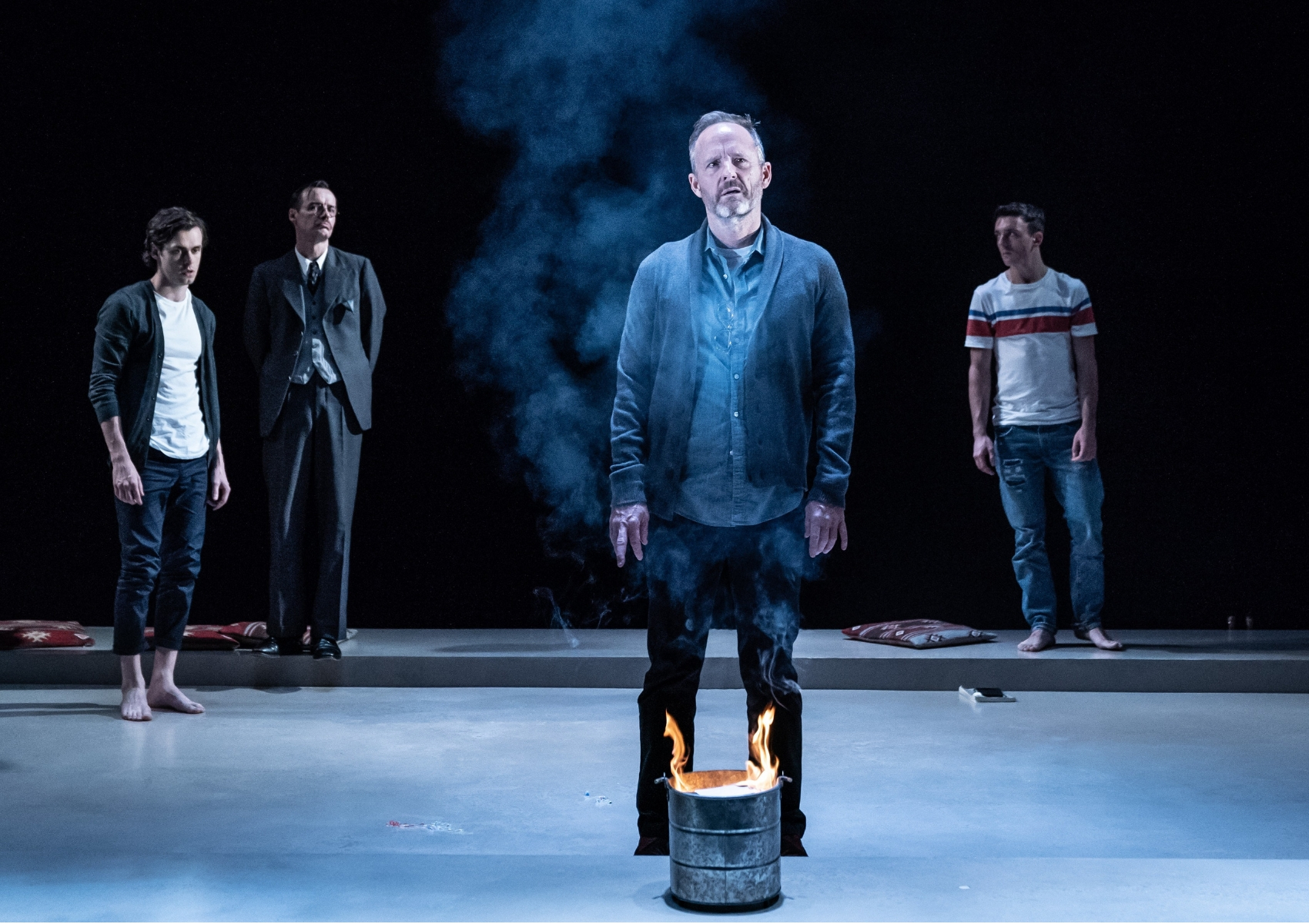
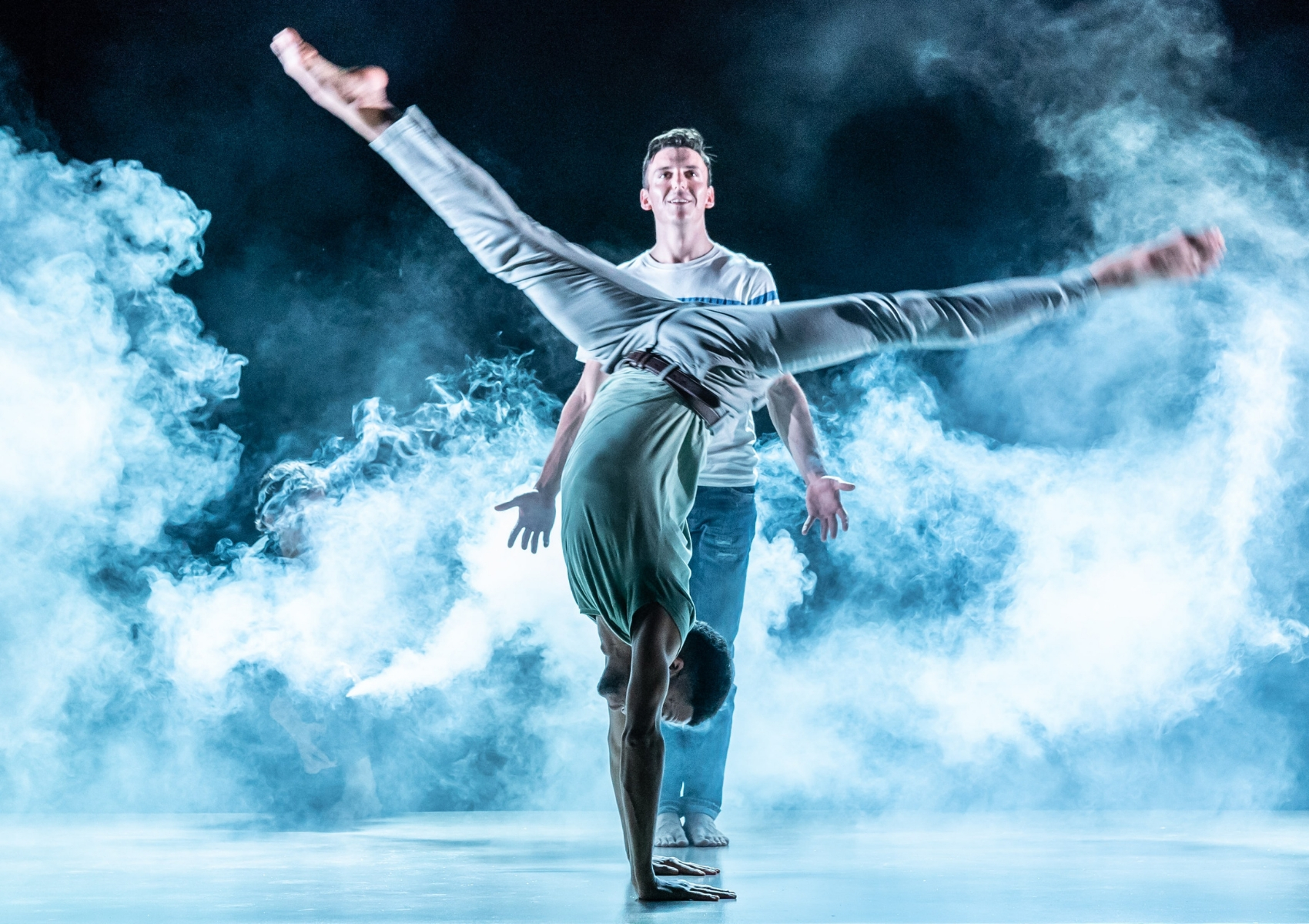
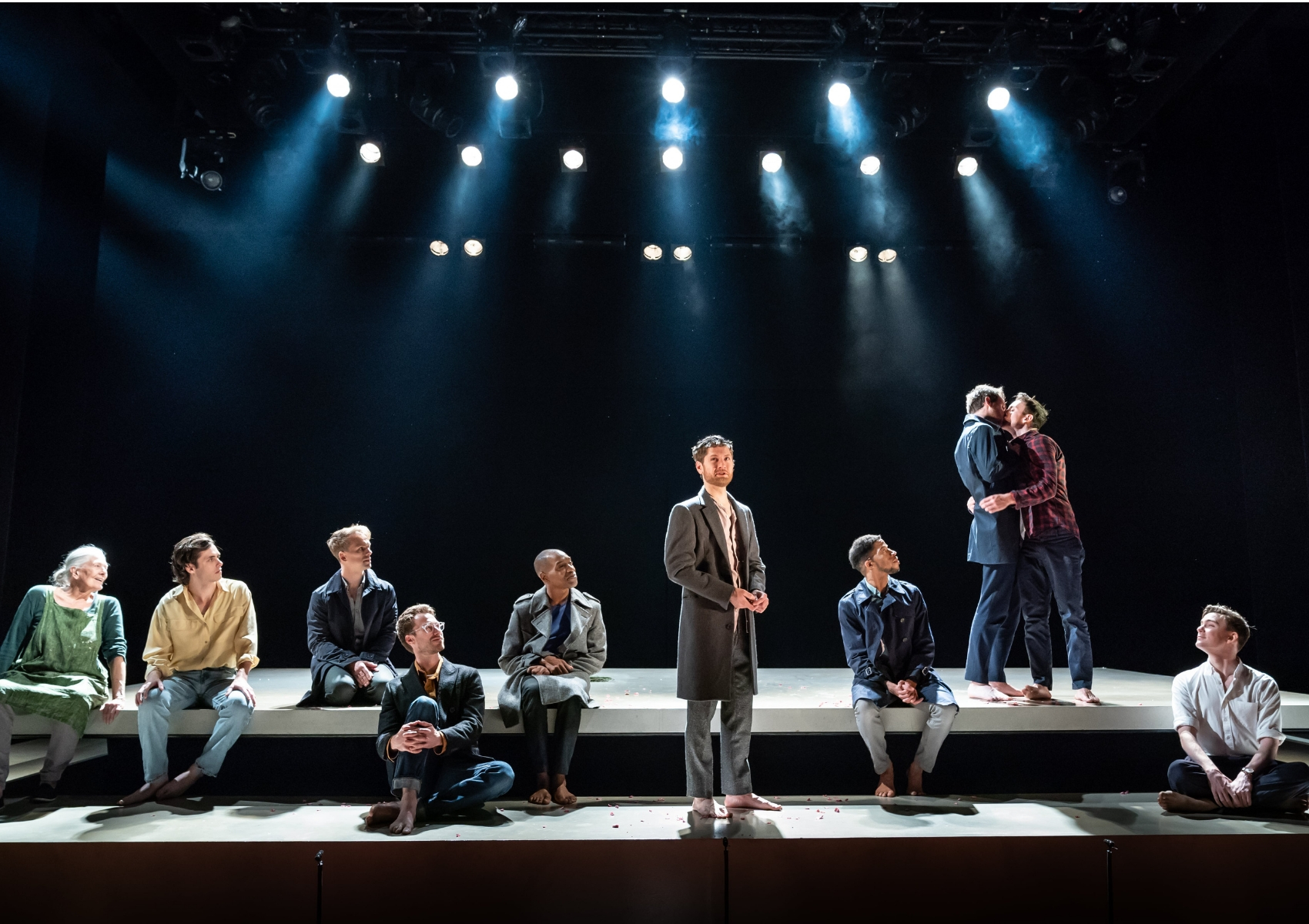
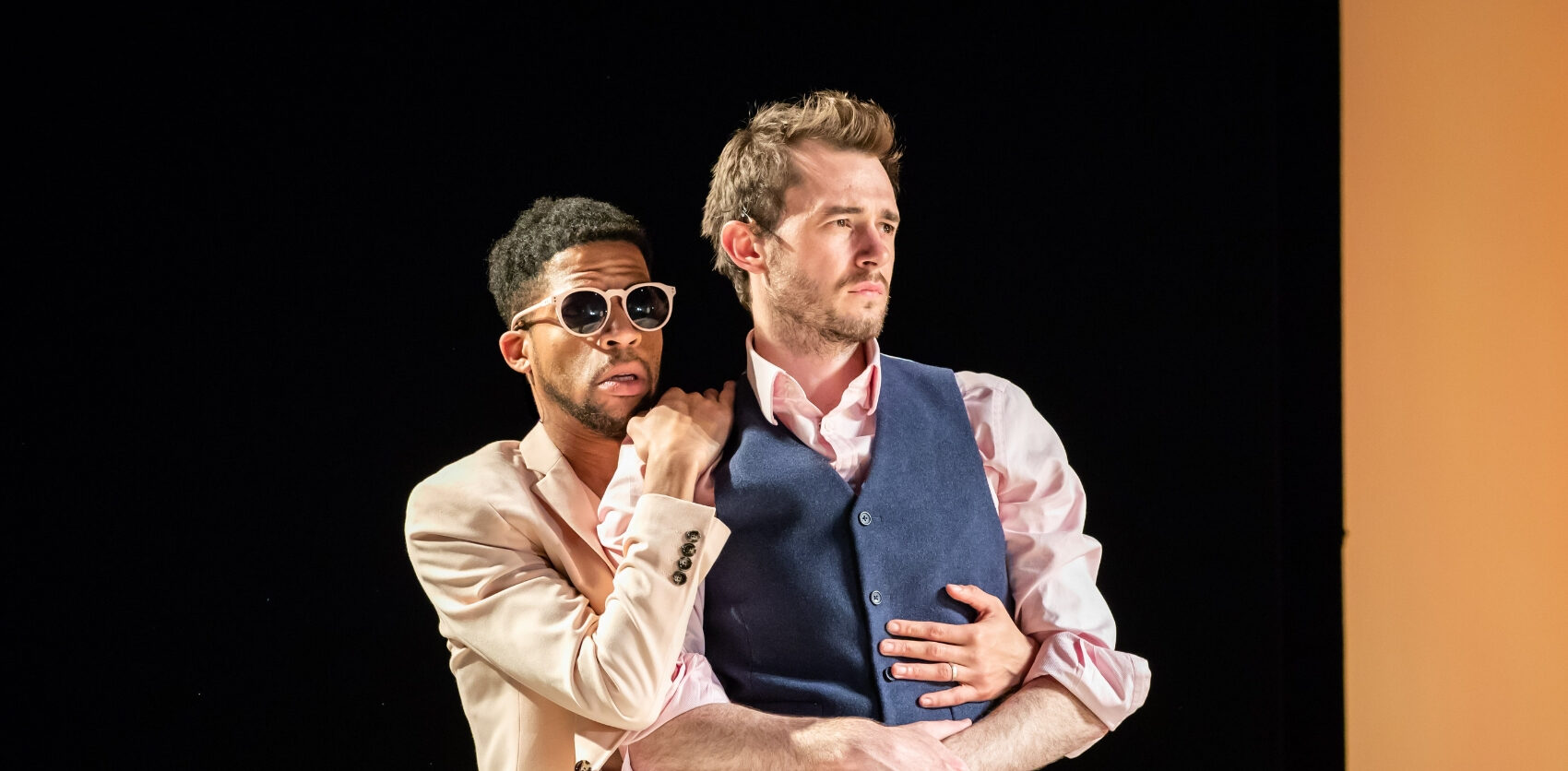
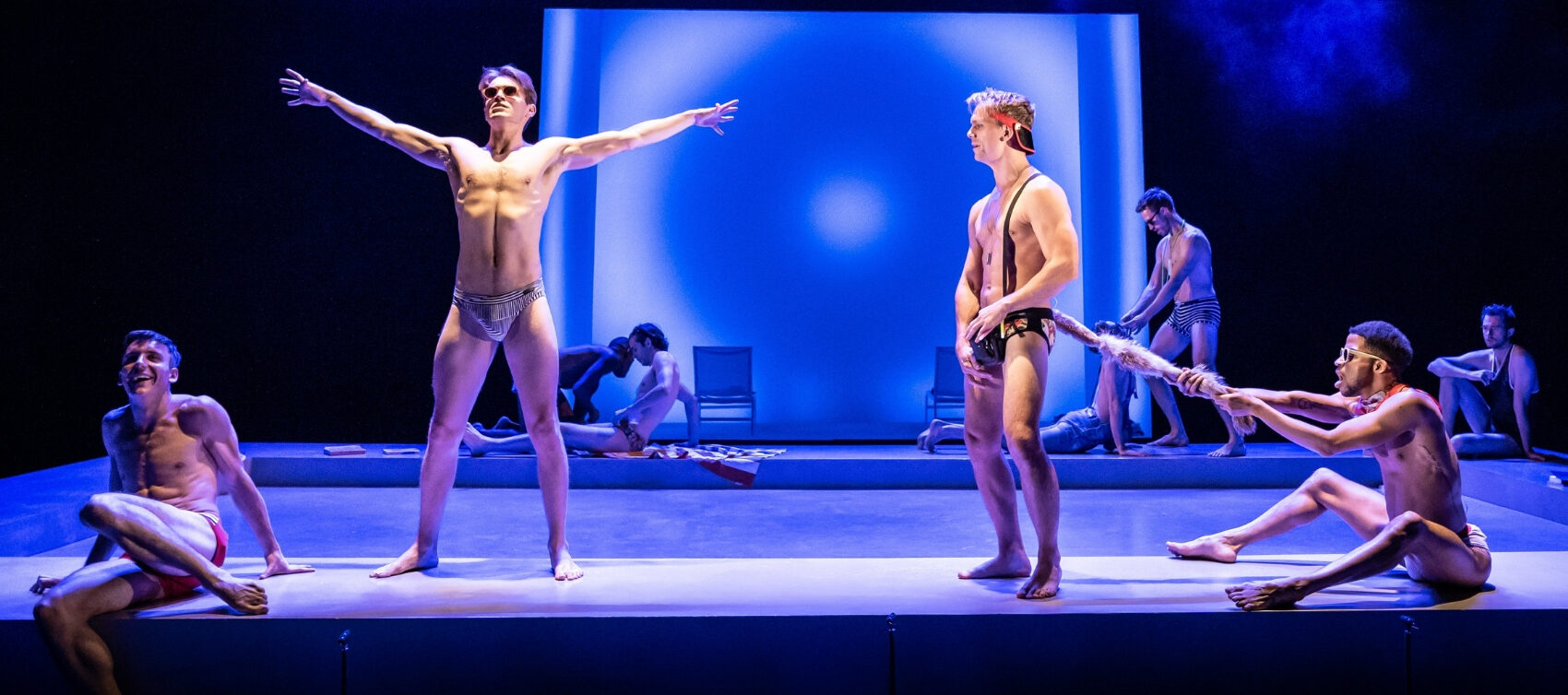
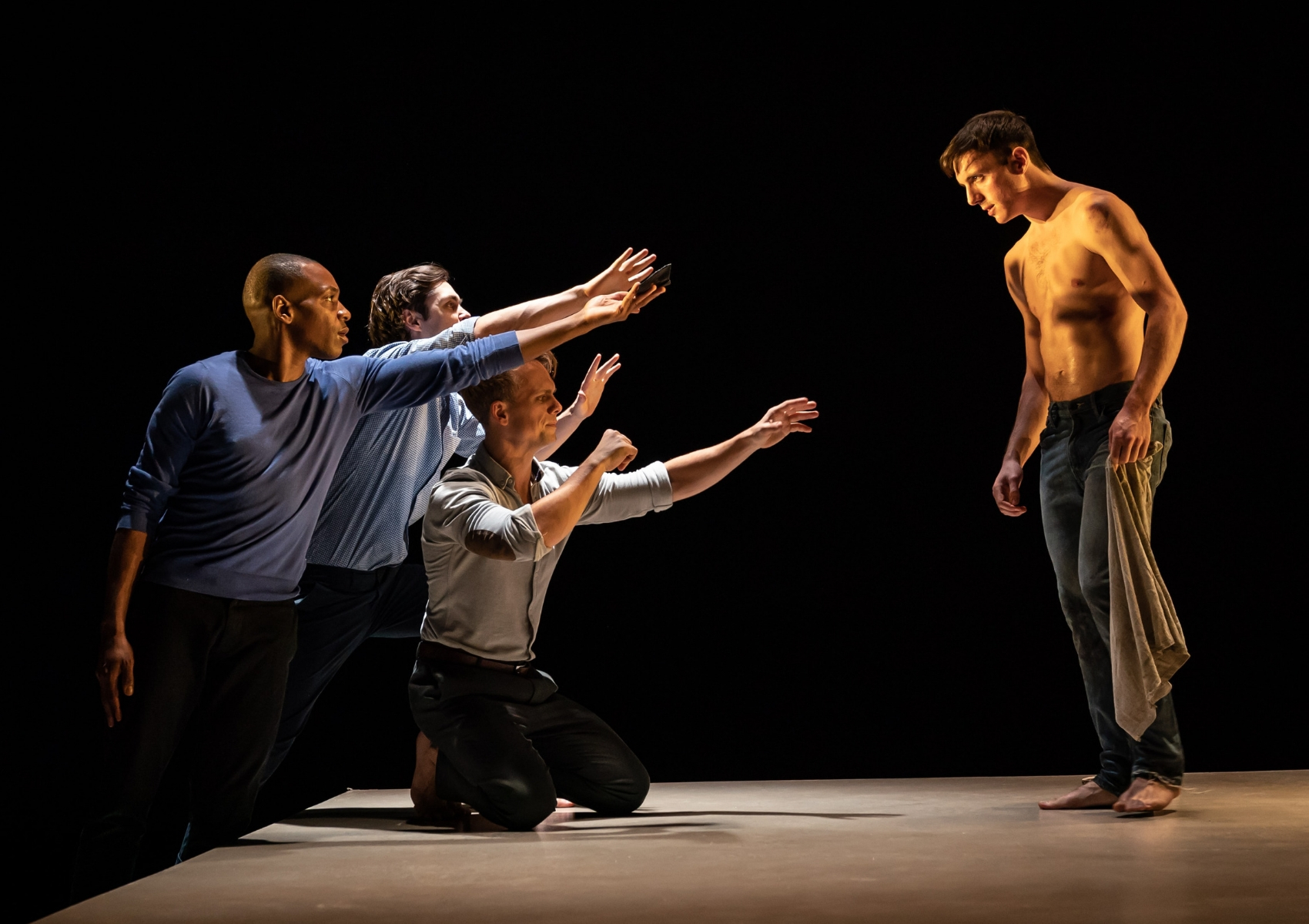
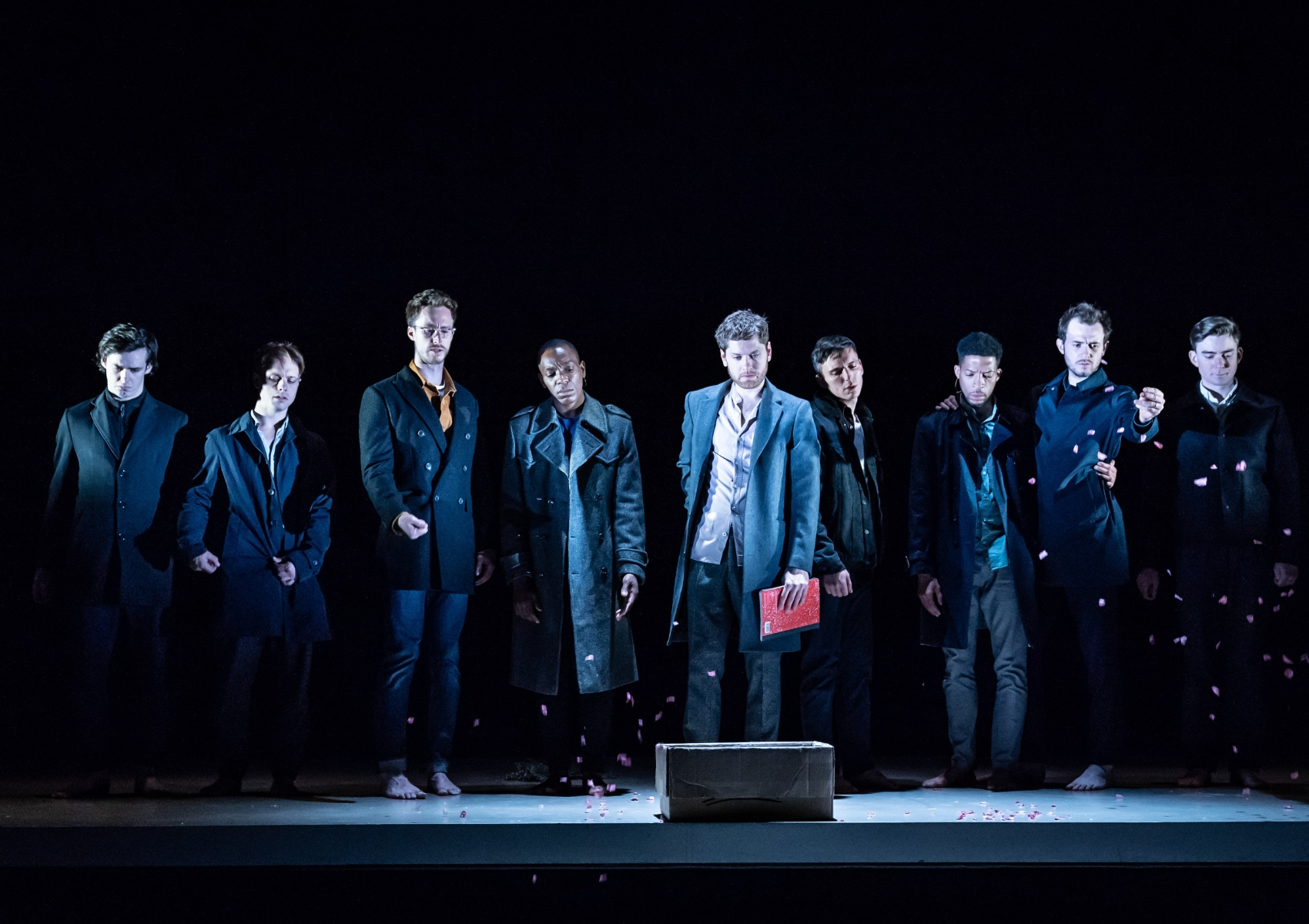
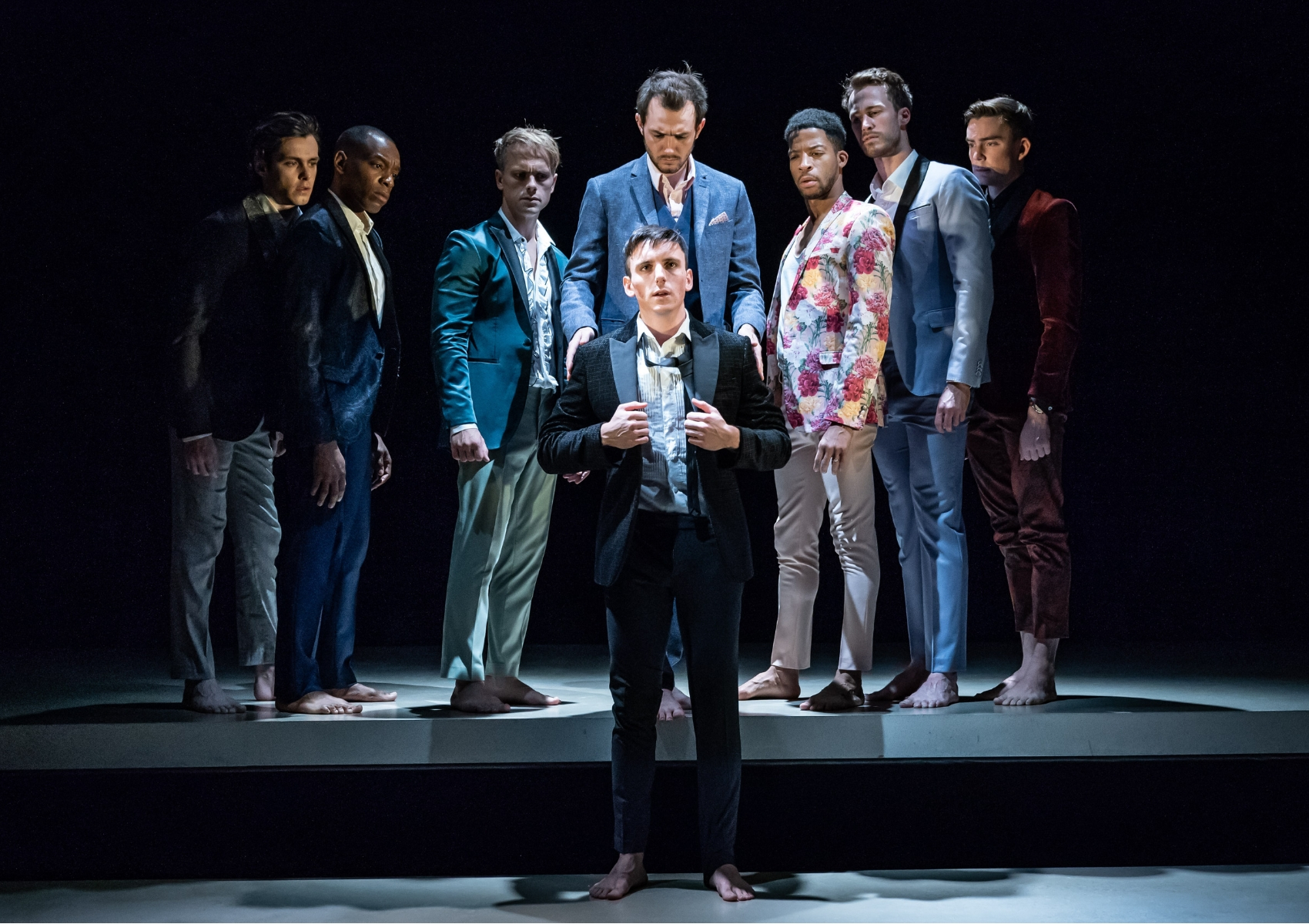
A group of gilded, gay young New Yorkers enlist novelist EM Forster to help them tell the story of their lives. The author of Howards End guides them back and forwards in time. They consider the legacy of those who have lived, loved and suffered before them and what they owe the next generation.
Forster’s own closeted homosexuality and the horrors of the 1980s’ AIDS epidemic are powerfully contrasted with the current generation’s freedom to dream.
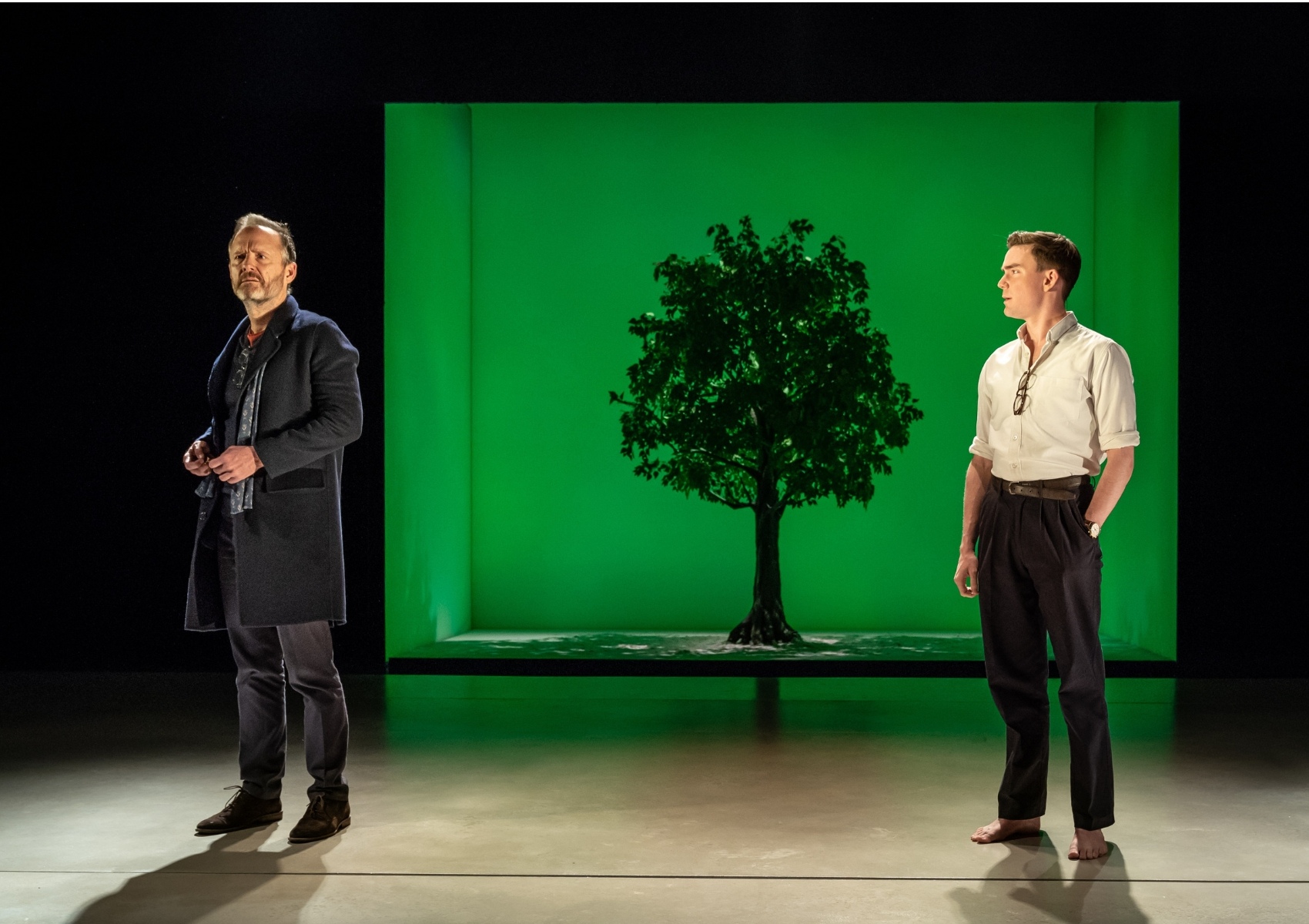
This major world premiere by New York playwright Matthew Lopez has received rave five-star reviews after transferring from a sold-out Old Vic to the Noël Coward Theatre in London’s West End. The setting is brilliantly transposed from an old family house in the English countryside to a wealthy family apartment in Manhattan.
Privilege has spanned generations – until now. What will the next generation inherit in a world riven by social inequality and lack of opportunity?
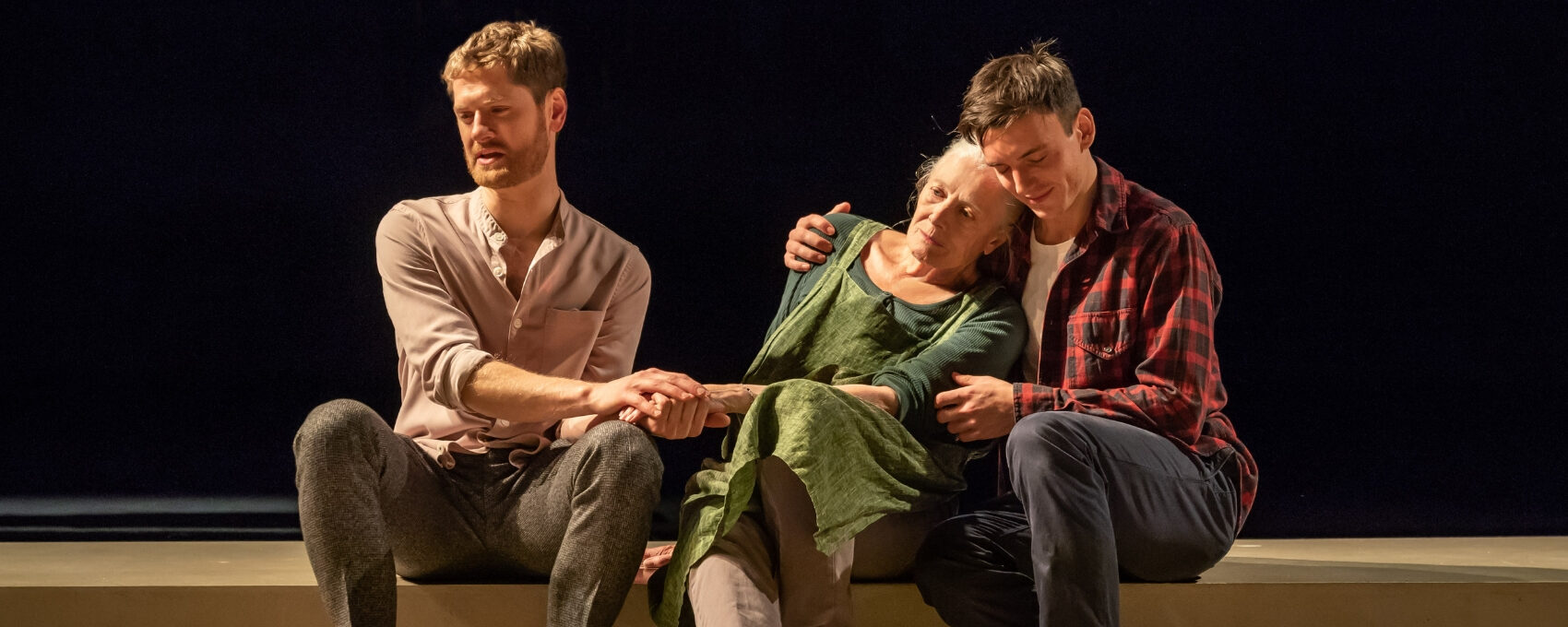
The Inheritance stars Vanessa Redgrave, Kyle Soller (Poldark) and John Benjamin Hickey (Six Degrees of Separation, The Normal Heart).
Programme notes by Matthew Lopez
I was raised in a small town in the Florida Panhandle, which is a very restrictive, very conservative part of America – It’s more culturally akin to Alabama than the Florida most people think about. We were the only Puerto Rican family in our town and I was the only gay kid at my school. I did not in any way fit in. I found my refuge in books and in films.
When I was 16, I begged my mother to take me to see a movie that had improbably opened at our local movie theatre, a film called Howards End. I read that its star Emma Thompson was getting Oscar buzz for her performance and I wanted to see what all the fuss was about. We went one Sunday afternoon after church. That day changed my life.
There was nothing about that film that should have reached me, at least based in demographics. And yet I was transported by its story, its characters, and most of all its humanity. My mother, being the good public school teacher that she was, bought a copy of the novel for me. I read it over and over that spring and summer. It instantly became my favourite book. It remains so to this day.
When I was 26 and living in New York, I picked up a collection of Forster’s novels which included Maurice. That was how I discovered that Forster was gay. The realisation shook me deeply. I finally understood that the thing that had reached me that Sunday afternoon in my local cinema was the simple yet powerful connection of a gay man in 1910 speaking directly to a young gay boy in 1993. There was kinship between us. We shared something: a truth about ourselves. Forster had overcome his through writing. I had overcome mine through my reading.
I instantly conceived of the play that would eventually The Inheritance. I first saw it as a fairly straightforward adaptation (and told people as much); an almost tit-for-tat contemporary updating with gay men from different generations as its central characters. I knew my story needed to be in part about AIDS, for the story of gay men cannot be told without it. Yet almost as soon as I began to write it, I discovered that I was creating something new, something that, while deeply steeped in the novel, had become a reflection of my own life and experiences.
I’m proud to share this play with you for it represents all that I am as an artist, as a person. Forster himself is in it, for the story of my life cannot be told without him. If Howards End, for me, was a gay man in 1910 reaching a hand across time to a young gay boy in 1993 assuring him that he was seen and that he was not alone, The Inheritance is that young boy now grown up, reaching back and saying thank you. It is my act of gratitude to Forster for rescuing me when I was most in need of it.
Programme notes on EM Forster
Edward Morgan Forster was born in London in 1879, attended Tonbridge School and went on to King’s College, Cambridge, in 1897.
With King’s he had a lifelong connection and was elected to the Honorary Fellowship in 1946. He declared that his life as a whole had not been dramatic, and he was unfailing modest about his achievements. Interviewed by the BBC on his eightieth birthday, he said: “I have not written as much as I’d like to… I write for two reasons: partly to make money and partly to win the respect of people whom I respect… I had better add that I am quite sure I am not a great novelist.” Eminent critics and the general public have judged otherwise and in his obituary The Times called him “one of the most esteemed English novelists of his time.” He wrote six novels, four of which were before the First World War: Where Angels Fear to Tread (1905), The Longest Journey (1907), A Room with A View (1908), and Howards End (1910). In 1924, he published A Passage to India, which would go on to win both the Prix Femina Vie Heureuse and the James Tait Black Memorial Prize. Maurice, his novel on a homosexual theme, was finished in 1914 and published posthumously in 1971. He also published two volumes of short stories, two collections of essays, a critical work Aspects of the Novel and The Hill of Devi, a fascinating record of two visits he made to the Indian State of Dewas Senior. Forster published two biographies, two books about Alexandria (where he worked for the Red Cross during the First World War) and the libretto for Britten’s opera Billy Budd (with Eric Crozier). He died in June 1970 at age 91.
reviews
Awards & Nominations
Awards
Olivier Awards 2019
Best Actress in a Supporting Role in a Musical – WINNER
Olivier Awards 2019
Best Actress in a Musical
Olivier Awards 2019
Best Actor in a Supporting Role in a Musical – WINNER
Olivier Awards 2019
Best Director
Olivier Awards 2019
Best Theatre Choreographer
Olivier Awards 2019
Best Lighting Design
Olivier Awards 2019
Best Set Design – WINNER
Olivier Awards 2019
Best Musical Revival – WINNER
Critics’ Circle Awards 2019
Best Design – WINNER
Critics’ Circle Awards 2019
Best Musical – WINNER
Evening Standard Theatre Awards 2018
Best Director – WINNER
Evening Standard Theatre Awards 2018
Best Musical Performance – WINNER
Evening Standard Theatre Awards 2018
Best Musical
Evening Standard Theatre Awards 2018
Best Design